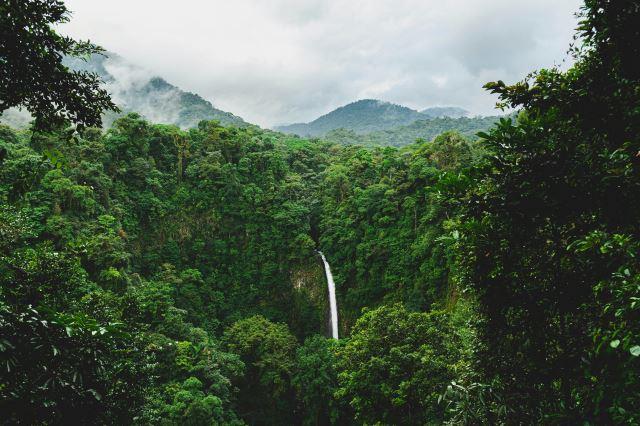

Boca Tapada is a remote rural community in northern Costa Rica, close to the San Carlos River and the border with Nicaragua. The area is surrounded by lowland rainforest, wetlands, rivers, and agricultural land, creating a landscape with a strong connection to water and forest. Boca Tapada is best known for its location near Maquenque National Wildlife Refuge, an important protected area in the northern plains. Roads through the countryside lead to small farms, forest lodges, and riverside properties. The community offers a quieter setting than Costa Rica's more developed destinations and provides access to one of the country's less urbanized rainforest regions.
Life in Boca Tapada has traditionally centered on agriculture, livestock, fishing, and forest resources. The area's remote location has helped maintain a small-community character, while locally operated lodges and nature-based tourism now provide another source of income. Maquenque National Wildlife Refuge was established to protect important lowland habitats and wildlife corridors, and local communities are closely connected to conservation efforts in the region. The cultural landscape reflects northern Costa Rica's rural traditions, including small farms, home gardens, and practical knowledge of rivers, forests, and tropical wildlife.
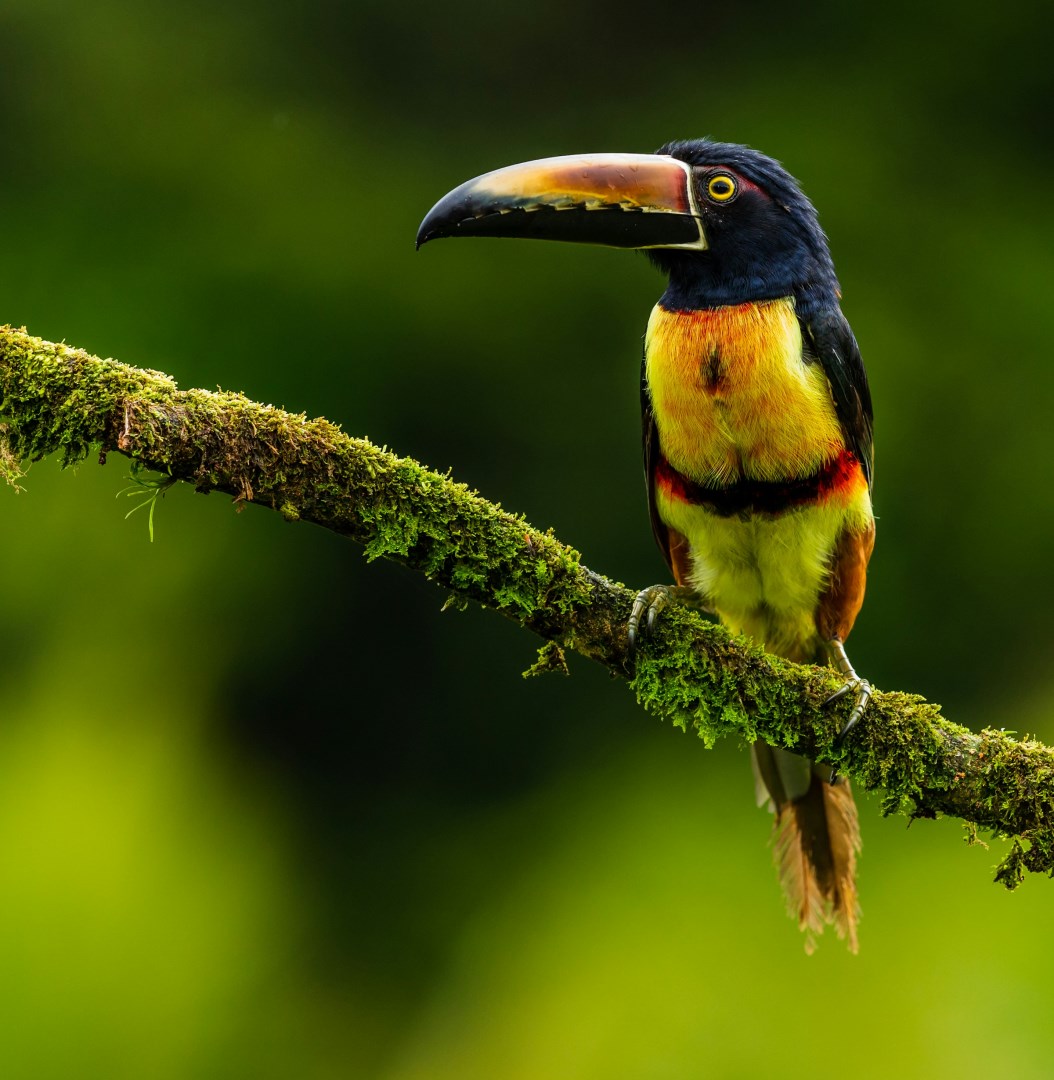
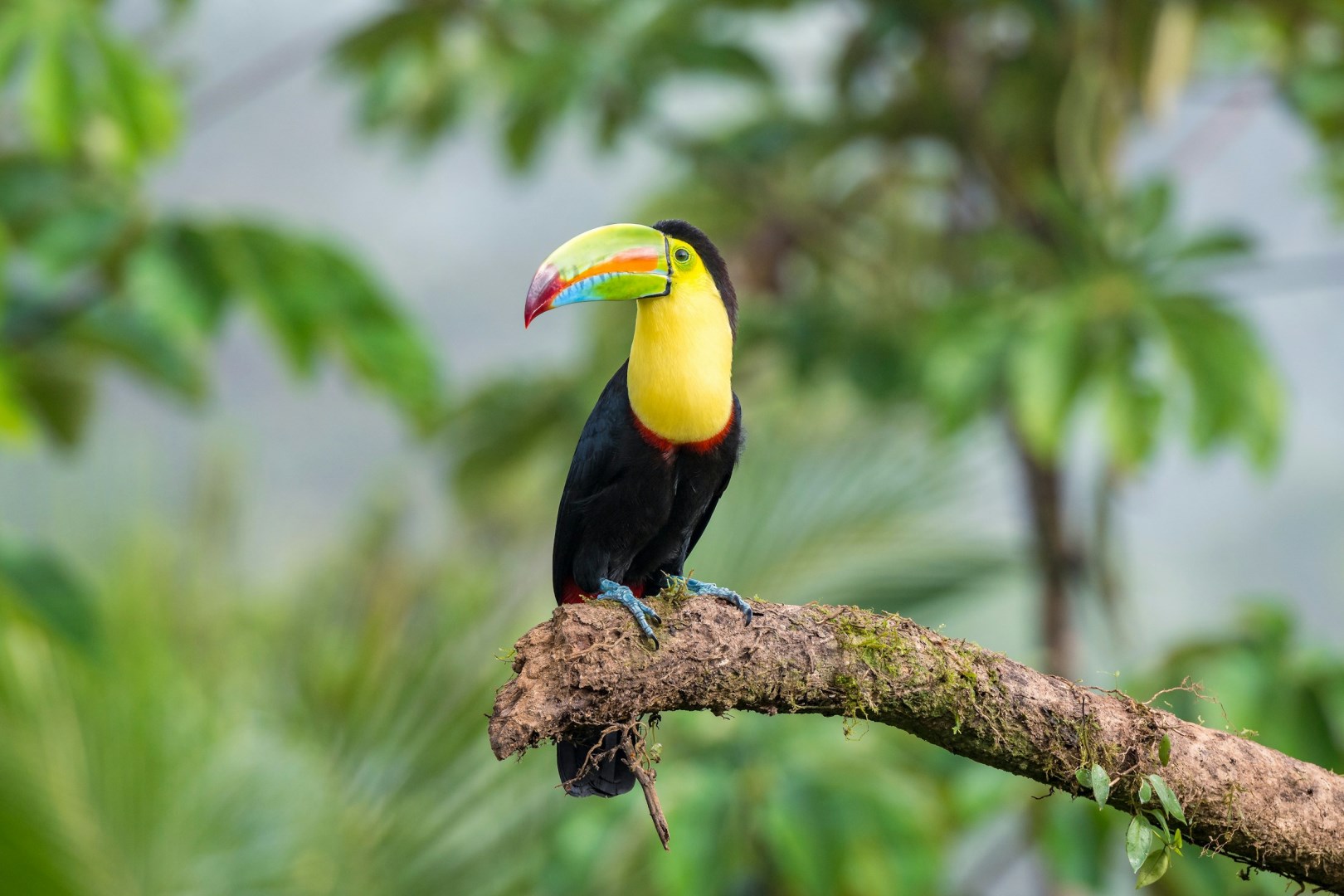
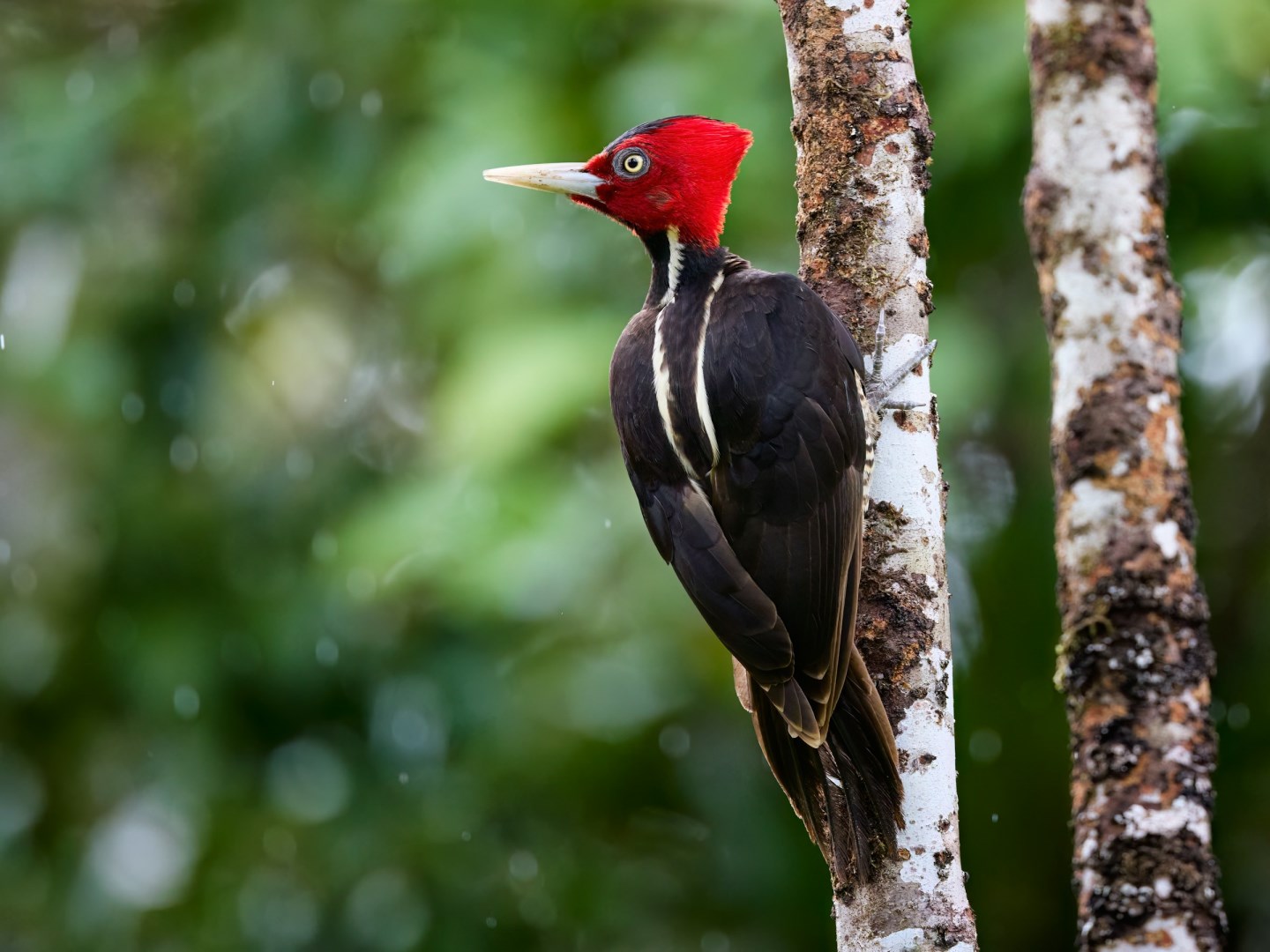
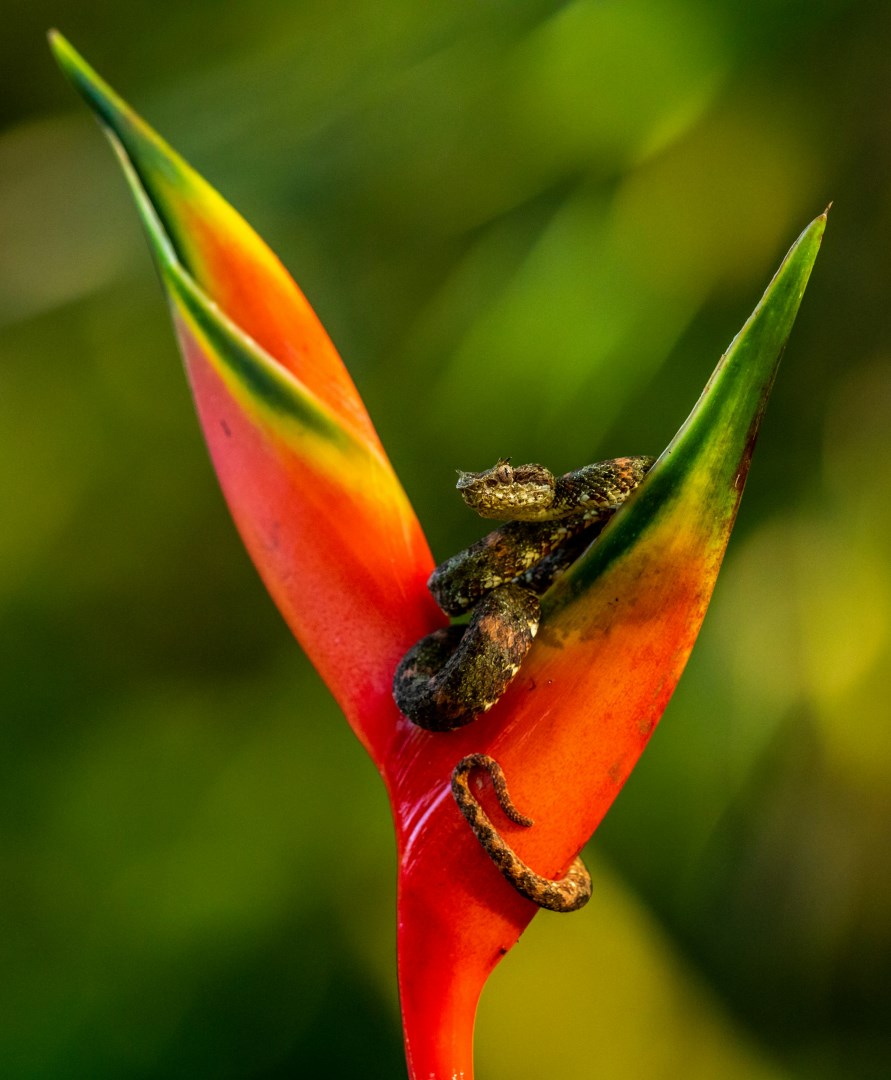
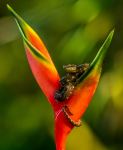
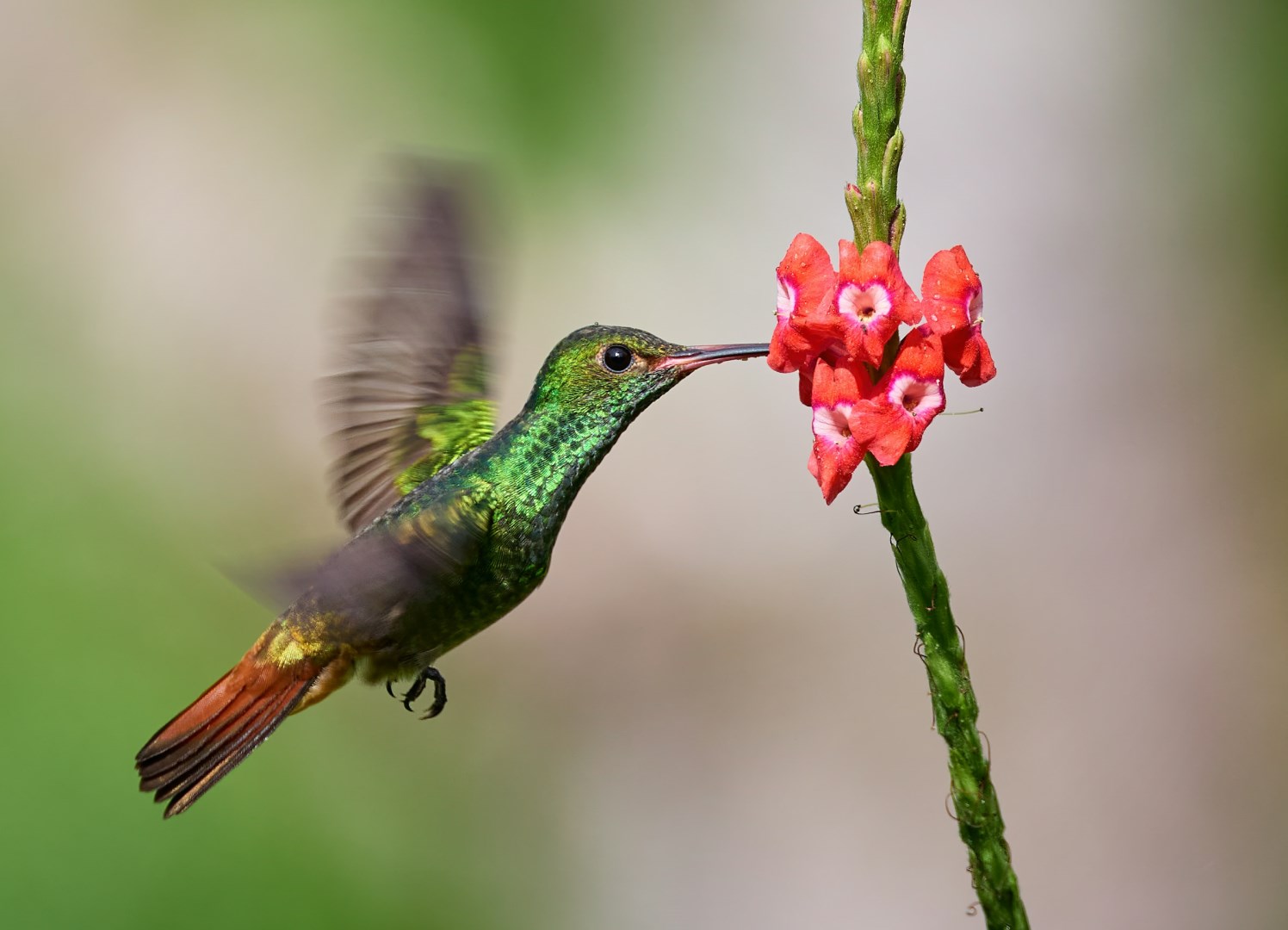
The surrounding waterways and forests are the main attractions in Boca Tapada. The San Carlos River and nearby lagoons can be explored by boat or kayak, while trails provide access to rainforest habitats where visitors may encounter scarlet macaws, toucans, herons, monkeys, sloths, caimans, and numerous amphibians and reptiles. Maquenque National Wildlife Refuge protects wetlands, lagoons, forest, and river ecosystems that provide important habitat for wildlife. The region is particularly associated with the scarlet macaw, and forest restoration has helped strengthen habitat connections for this colorful parrot in northern Costa Rica.
Meals in Boca Tapada commonly reflect the rural cuisine of northern Costa Rica, with dishes based on rice, beans, plantains, vegetables, chicken, fish, and locally produced ingredients. Small lodges and community businesses often prepare traditional Costa Rican meals for visitors staying in the area. A distinctive feature of Boca Tapada is its extensive network of waterways, where transportation and wildlife observation can be closely connected. The combination of rainforest, lagoons, farms, and rivers also makes the area an important refuge for species that require large, connected lowland habitats, including scarlet macaws and several species of monkeys.